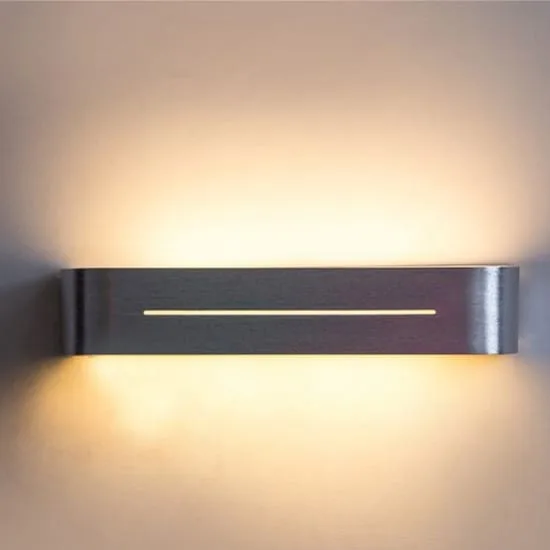
African countries are accelerating their urbanization process, investing in infrastructure, real estate, and industrial parks. Kenya, as the largest LED product market in East Africa, boasts a robust growth momentum. Its LED lighting market scaled from approximately $560 million in 2019 to $840 million in 2023, with a projected expansion to $1.17 billion by 2028 at a CAGR of about 8.6%. Notably, its electricity access rate is the highest in East Africa (around 75% via grid and off-grid solutions), which lays a solid foundation for market growth. So more Kenyan wholesalers, distributors, and project contractors are choosing to import LED lighting directly from China to reduce costs and access a wider range of products.
If you’re planning to buy LED lights such as LED downlights, panel lights, flood lights, street lights, or track lights from China to Kenya, this guide will walk you through every step clearly—requirements, documents, taxes, and shipping.

Why import from China?
- Competitive price
- Diverse product selection
- Customized service
- No good quality lights in the local area
- Stable quality is ensured when you find a reliable LED lights supplier in China.
Cost Structure of Importing Lights from China to Kenya
When importing from China to Kenya, your costs include more than just the product price. You will also need to pay for shipping, customs clearance, duties and taxes, inspections, storage, and other related fees.
Understanding these import costs is essential—it helps you estimate your profit before importing. You don’t want to go through the whole import process only to find out that your selling price can’t cover your expenses.
Knowing the cost structure also helps you organize your budget better and avoid being overcharged or scammed.
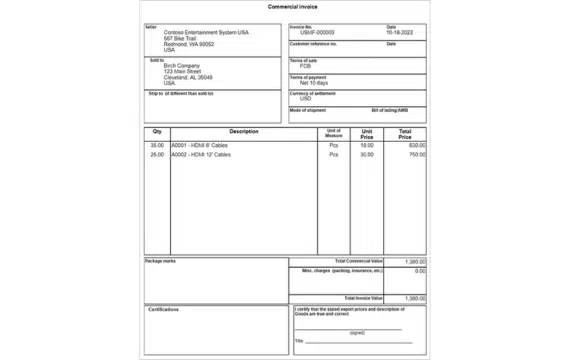
Required Documents for Kenya Import
| Document | Issued By | Purpose |
| Commercial invoice | supplier | Declares value |
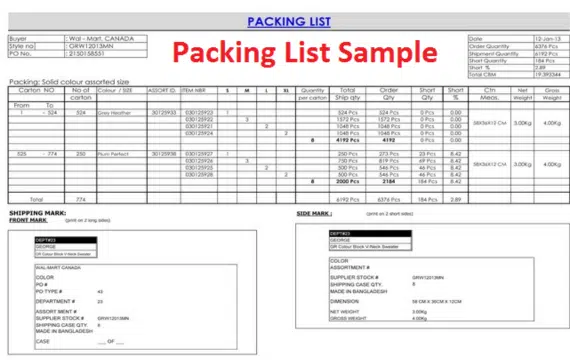
| Packing list | supplier | Confirms quantity & specifications for shipping |
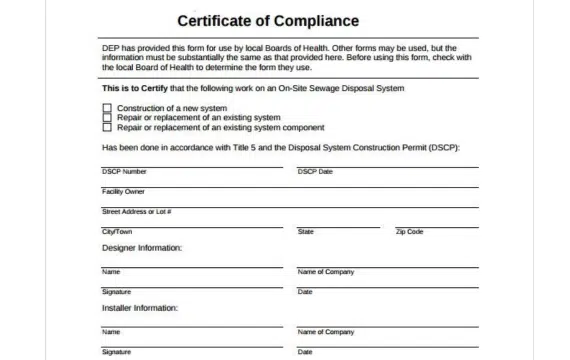
| Pvoc CoC | SGS / Bureau Veritas / Intertek | Mandatory for Kenya import |
| Bill of Landing/ Airway bill | shipping line | Required for clearance |
| COO | supplier | Required for clearance for Tariff reduction |
| HS Code | supplier | Determines duty rate |
| Test reports | Manufacturer | Support CoC certification |
A Complete Process for Importing Lighting Fixtures from China
1. Calculating Kenya’s Import Duties and Taxes for LED lights from China
Kenya charges import duty based on the product’s HS Code and EAC rules. All imported goods also pay 16% VAT, calculated on the CIF value plus duty and other fees.
So, find the correct HS Code first, check the duty rate, then add VAT to get the total import tax.
- Import Duty: 10% of the CIF (Cost + Insurance + Freight) value
- Value-Added Tax (VAT): 16% of (CIF value + import duty)
- Import Declaration Fee (IDF): 2.5% (min USD 55)
- Railway Development Levy: 2% of the CIF value (applies to all imports)
You can get the latest updates from the official website of the Kenya Revenue Authority (KRA) https://www.kra.go.ke/
2. Finding a Reliable Lighting Supplier in China
- Sourcing channels: Search via Google, trade shows, B2B platforms (Alibaba, Global Sources), or on-site factory visits to choose reputable suppliers.
- Request quotations: After reviewing potential suppliers, contact them with detailed specifications and ask for quotes. Negotiate price, product specs, warranty, Incoterms (EXW, FOB, CIF), payment terms, and lead time. Note that Incoterms greatly affect your cost estimate.
- Sample confirmation: Request samples to test quality and ensure they meet your requirements.
- Place order: After approving samples, place a bulk order and arrange production (typically requires a 30% deposit).
3. Choosing a Good Freight Forwarder
Selecting the right freight forwarder is key to smooth shipping from China to Kenya. A reliable forwarder will handle transport, customs clearance, and documentation.
- Verify the company’s qualifications, such as FIATA or IATA certifications.
- Check experience, reputation, service range, and global network to ensure they can manage your logistics efficiently.
- Compare pricing and value-added services.
- Review their insurance and liability coverage.
NOTE: Now that you understand the duties, have selected a supplier, and found a freight forwarder, you can accurately calculate your landed cost and determine whether importing lighting products from China to Kenya is profitable.
4. Arranging Shipment
Before shipping, double-check product labels and packaging. Pay the remaining 70% balance. After receiving the packing list, invoice, and other documents, arrange for your forwarder to pick up the goods from the factory.
There are three main shipping methods from China to Kenya.
| Shipping Way | Destination | Features | Delivery time | Suitable for |
| Sea Freight | Mombasa Port | Bulk order FCL, LCL | 30-45days | Bulk order FCL,LCL |
| Air Freight | Long time, low price | Fast, expensive | 3-7days | Urgent or valuable goods |
| Express | your door | Fast, too expensive | 3-7days | Samples, value less than 5000RMB |
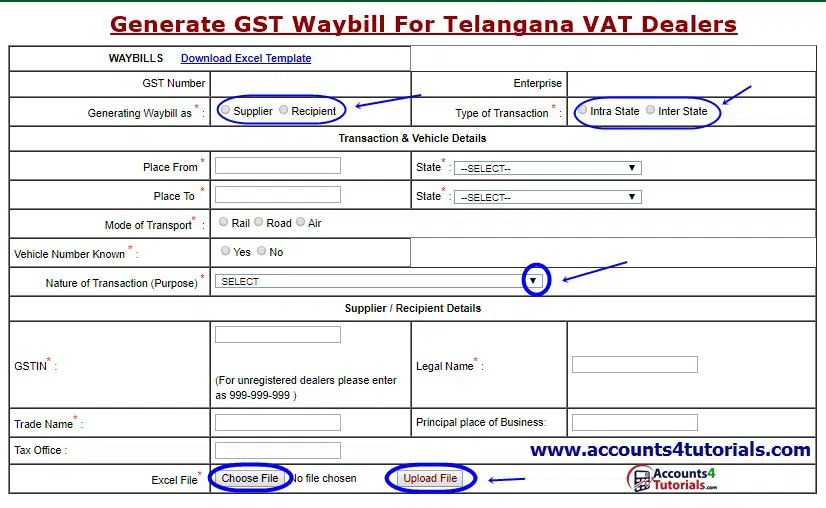
5. Prepare Customs Documents
After confirming the shipping method, prepare all necessary customs documents. Your freight forwarder will handle customs clearance at the Chinese port.
6. Pay All Import Fees
All import fees must be paid before shipment. Ensure you have sufficient funds to cover shipping, duties, VAT, and any other taxes imposed by the Kenyan government. Your customs agent will calculate the total amount based on the CIF value of your goods.
Late payments can cause significant delays in customs release. Paying all import fees upfront helps avoid customs obstacles and ensures smooth delivery.
7. Customs Clearance
Hire a Licensed Customs Broker registered with KRA and KEBS. A licensed customs broker is a professional who understands the complexities of customs regulations and can handle paperwork on your behalf. They assist with import taxes, duties, and other compliance requirements. Their expertise is invaluable for ensuring your goods clear customs efficiently and on time, allowing you to focus on other aspects of your business.
8. Transporting Goods to Your Location
Once customs clearance is complete, your goods can be transported to your warehouse. This may involve road or rail transport from Mombasa Port or Jomo Kenyatta International Airport, depending on your location in Kenya.
Hire a reliable local transport provider to ensure safe and efficient delivery. During this stage, tracking shipments is essential to coordinate inventory and downstream operations smoothly.
Best-Selling LED Lights in Kenya 2025
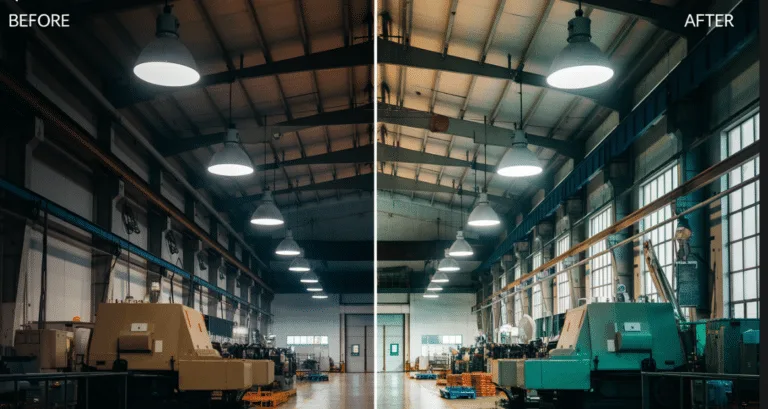
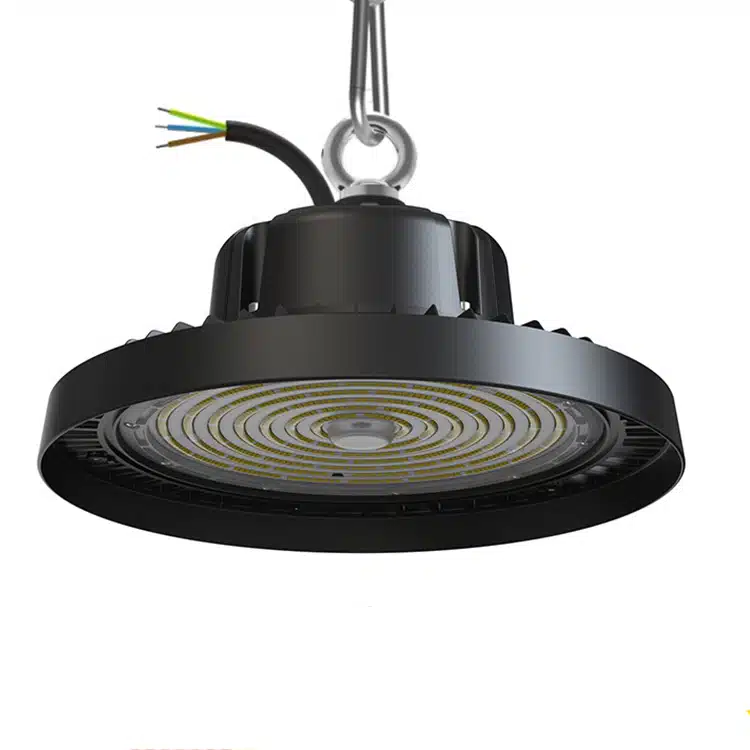
- High-bay lights for warehouses and factories.
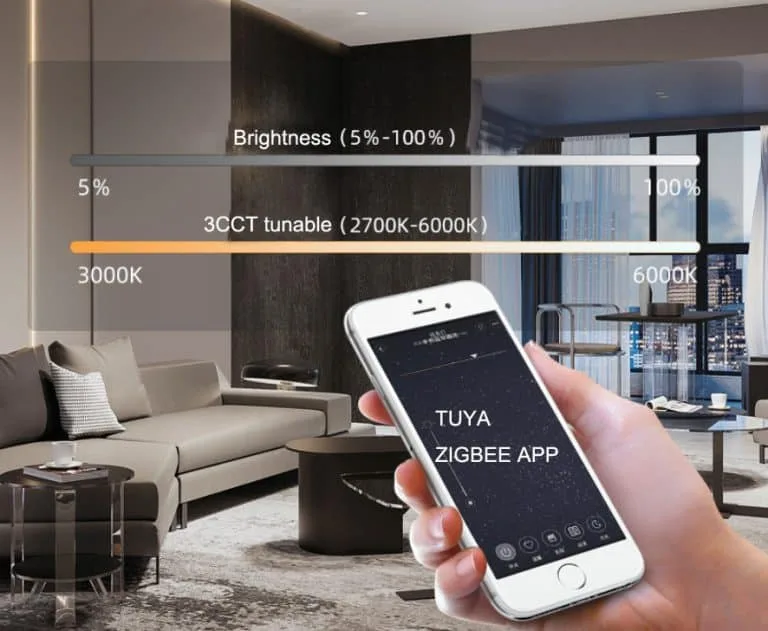
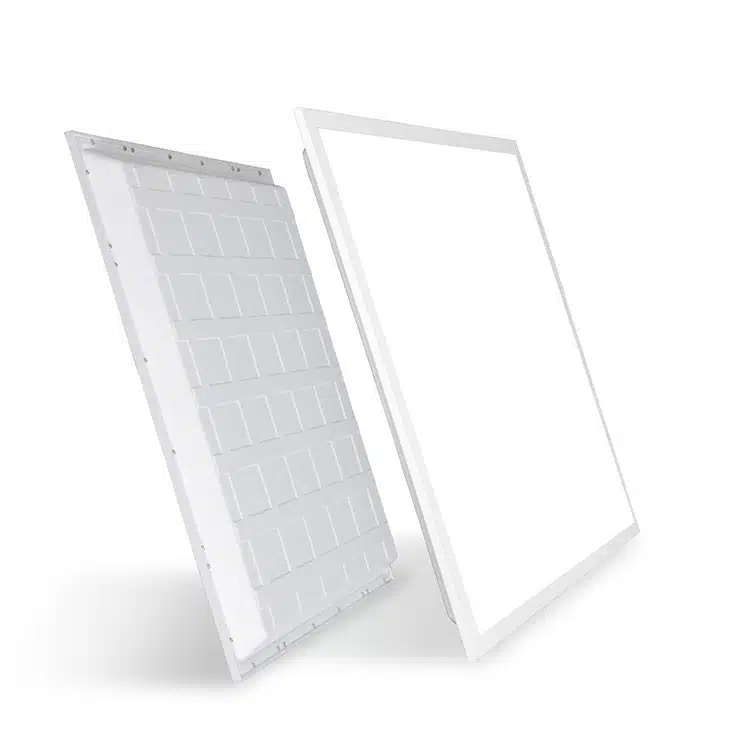
- Smart LED panels with dimming controls for offices and malls
- Solar-powered LED lights for rural commercial areas (Kenya’s solar market is growing fast).
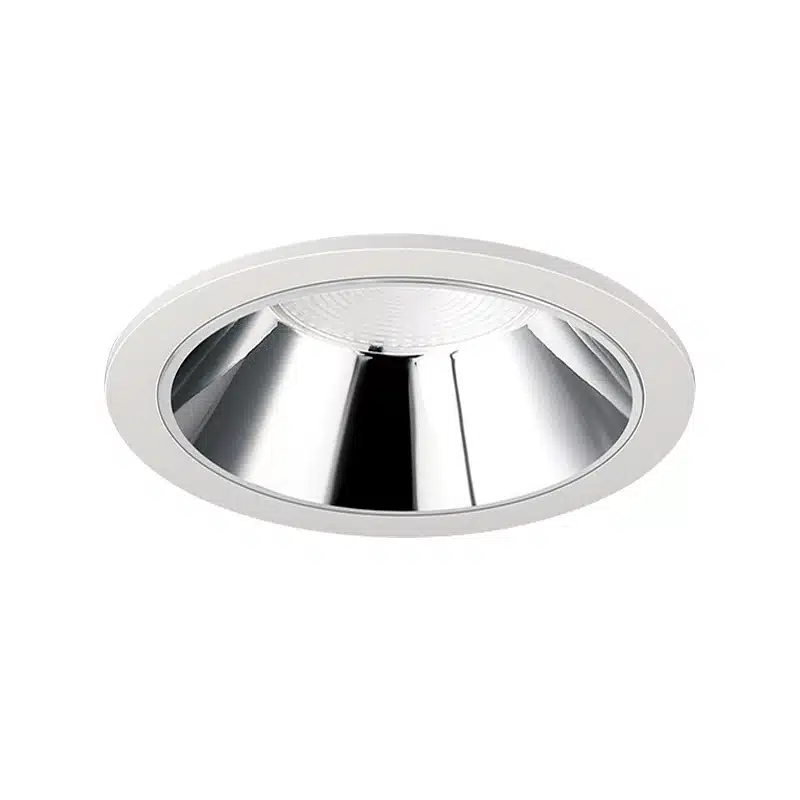
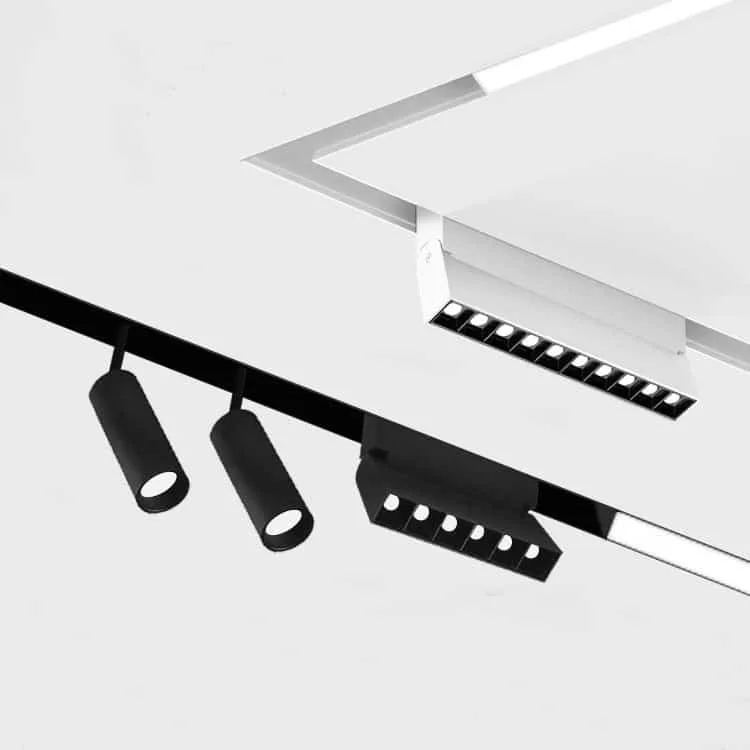
- Track lights and downlights for commercial
Which Chinese LED Manufacturers Are Most Suitable for the Kenyan market?
1. Powerful Contractors & Government Projects
If you are handling large-scale projects and government tenders, you need suppliers who can provide full project support, long-term warranties, and flexible credit terms. Branded manufacturers such as NVC, Opple, Pak Lighting, and Sanxiong Aurora are ideal choices for reliability and proven track record.
2. Medium / Small Size Contractors
For mid-sized projects, you need high-quality fixtures with branded chips and drivers, reasonable pricing, fast response, and low MOQ. Consider suppliers like GRNLED, YAYE Lighting, Yanyang Lighting, and Xinhui Lighting.
3. Wholesalers & Retailers
If your priority is affordable standard lighting with fast delivery, small-to-medium factories from Zhongshan or Yiwu are a good fit. Examples include Fansen Lighting, Wellmax, FSL, and Lowcled Lighting.
4. Design Firms
For design-focused projects, you require suppliers who can provide OEM/ODM services with low MOQ and flexible customization. A suitable option is ZGSM Lighting, which specializes in tailored solutions for design-driven clients.
Conclusion
Buy LED lights from China to Kenya is profitable if you follow the correct compliance steps—especially PVoC, proper HS codes, and working with a reliable LED lights manufacturer. Track KEBS announcements to know the updated requirements and standards.
By choosing the right supplier and a strong clearing agent, you can reduce costs, avoid delays, and build a strong lighting business in Kenya.

Hello, customers
My name is Ricky Wang, I’m the business manager of GRNLED. I have been in LED lights industry for more than 10 year. Feel free to contact us. I’m happy to provide you the best service and products.
Email: info@grnled.com | WeChat: ledfixture